Recently I came across the idea of magnum opus, which represents the greatest creative work of someone’s life. The phrase kept repeating itself in my head. I liked how grand it sounded. I imagine if it were to be written down, only a quill and loopy cursive would do it justice.
Initially I thought I would try to write about about how a magnum opus is created. I looked to some of my favorite artists for inspiration: Joan Didion, Leonardo da Vinci, Claude Debussy, Christopher Nolan.
As I read about their lives, I realized I had it backwards. The paradox of magnum opus is this: as grand as it seems, it is not something to aim towards.
This does not mean a lack of ambition. Instead, I suspect that most magnum opuses are borne from an ambition for sustained process rather than grandness. Good artistry breeds recognition, not the other way around. I imagine this ambition is like forming such a strong tunnel vision into your own curiosities that you are in a wholly separate dimension. Annie Dillard once described how to achieve depth while writing:
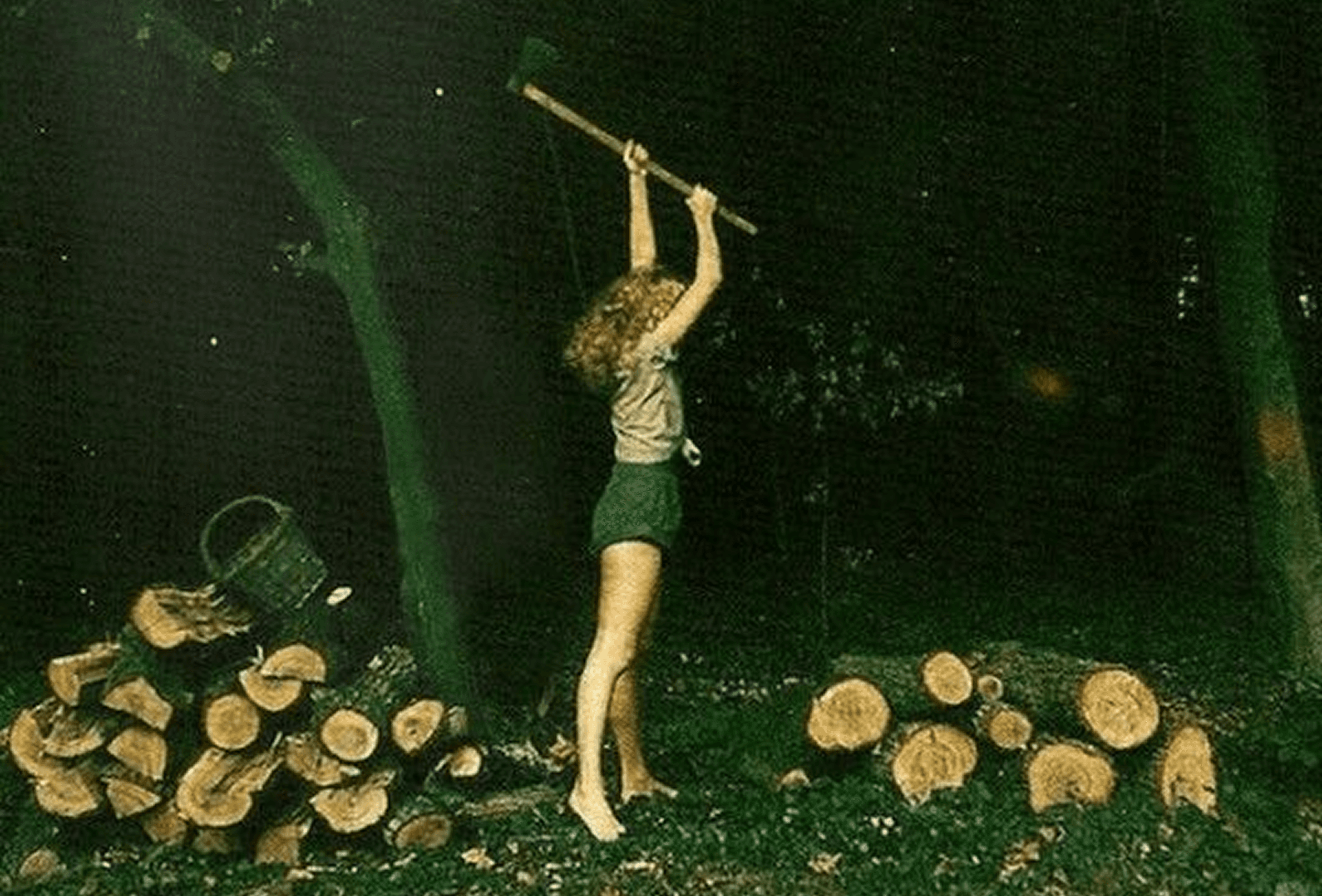
Aim for the chopping block. If you aim for the wood, you will have nothing. Aim past the wood, aim through the wood; aim for the chopping block.
Aiming for a magnum opus - for the wood - is a surface level ambition. Aiming for the chopping block means structuring a lifelong environment whereby your greatest work may naturally emerge. I began to wonder not how Didion, da Vinci, Debussy, Nolan, created their magnum opuses, but instead, how did they cultivate a life conducive to great work?
This feels like a philosophical question, but I found that each one had peculiar habits which allowed them to stay close to their curiosities. I write about their practices not as ideals to reach, or prescriptions to follow, but instead to reveal the raw, human mechanics behind their work.
I. Joan Didion
Didion approached her work with militaristic discipline. She did not wait for ideas to hit her. She constantly jotted. Shorthand interactions with reporters, notes from courtroom trials, and conversations with people in the environments she researched formed the journalistic basis of her work, but more importantly, she jotted how she felt about things as a way to remember her life. "On Keeping a Notebook" frames how she thought of her notes not as purely factual entries, but as conduits to the past: “remember what it was to be me: that is always the point.” Her recollections of her life, whether truthful or not, captured the rawness of the human experience.
Didion was obsessive and mechanical. When she was young, she taught herself sentence rhythm by painstakingly retyping Hemingway stories on her typewriter.
“You would never know it from reading me, but I was very influenced by Hemingway when I was 13, 14, 15. I learned a lot about how sentences worked. How a short sentence worked in a paragraph, how a long sentence worked. Where the commas worked. How every word had to matter. It made me excited about words.”
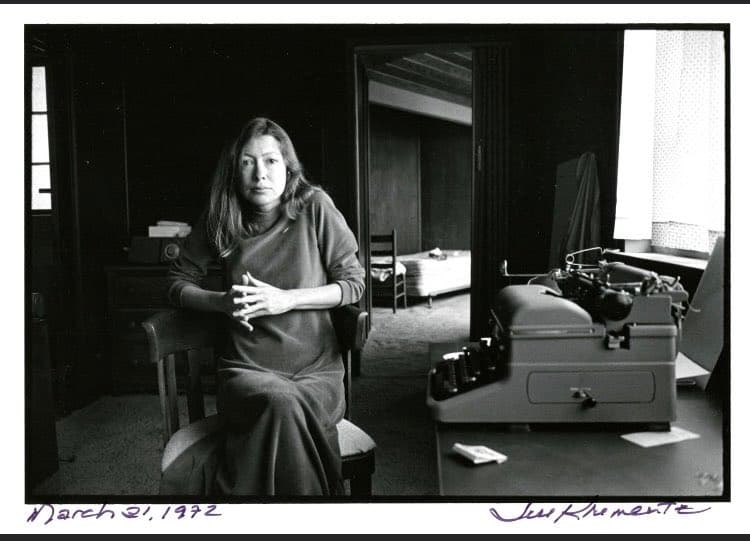
Her own creative process was rhythmic and persistent: “When I’m working on a book, I constantly retype my own sentences. Every day I go back to page one and just retype what I have. It gets me into a rhythm.” It is as if each word had to wrestle with her relentless revisions to earn its spot on the page.
Interestingly, she admitted inadequacy when existing outside of her highly structured process, saying, “I’m terribly inarticulate. A sentence does not occur to me as a whole thing unless I’m working.” She shielded her working environment entirely from disruption. In a 1971 interview, she described how she had a viewless writing room which she forced herself to enter each morning (albeit with a sense of dread). Her discipline displays itself once again: “once you’re in there, you’re there and it’s hard to go out.” In addition to physically separating herself from distraction, she freed her mind from the distractions of other writing: “When I'm working I don't read much… I don't want anybody else's speech rhythms in my dream.”
Didion represents an intensely individualistic approach to work: ruthlessly focused, comfortable with grappling ideas in solitude, and microscopically attentive.
II. Leonardo da Vinci
Reading about da Vinci’s life reminded me how we continually place labels on ourselves. Highly structured career paths, defined roles, sometimes even hobbies and personality tests like MBTI are ways for us to box ourselves neatly for the approval of others. Although da Vinci still had to navigate a career that could fund his polymathic pursuits, he seemed uninterested in catering to consensus. Instead, he initiated a lifelong search for fundamental truth.
da Vinci’s life was intensely disciplined, but do not mistake this for a highly optimized schedule. One day he might spend working from dawn to dusk without eating or drinking, then the day after he would sleep for the whole day. Clocks seemingly had no effect on him. Some days he just stood silently in front of his paintings for hours on end. His own clients thought him lazy for not doing anything.
Instead of discipline in schedule, his discipline manifested in his ability to question everything. A look into one of da Vinci’s to-do lists reveals the inner mechanics of his curiosity:
- Get the Master of Arithmetic to show you how to square a triangle.
- Ask Benedetto Portinari by what means they go on ice in Flanders.
- Draw Milan.
- Get a skull.
- Describe the tongue of the woodpecker.
He was an ideal Renaissance man, never limiting himself to one realm of inquiry. However, this also led to great bouts of procrastination. He might rabbit hole into a geometry problem, which would then pique his curiosity about light optics, which would inspire him to invent a technique to paint light, called sfumato. His form of procrastination was not a distraction from work, but an iterative way to understand the first principles behind everything.
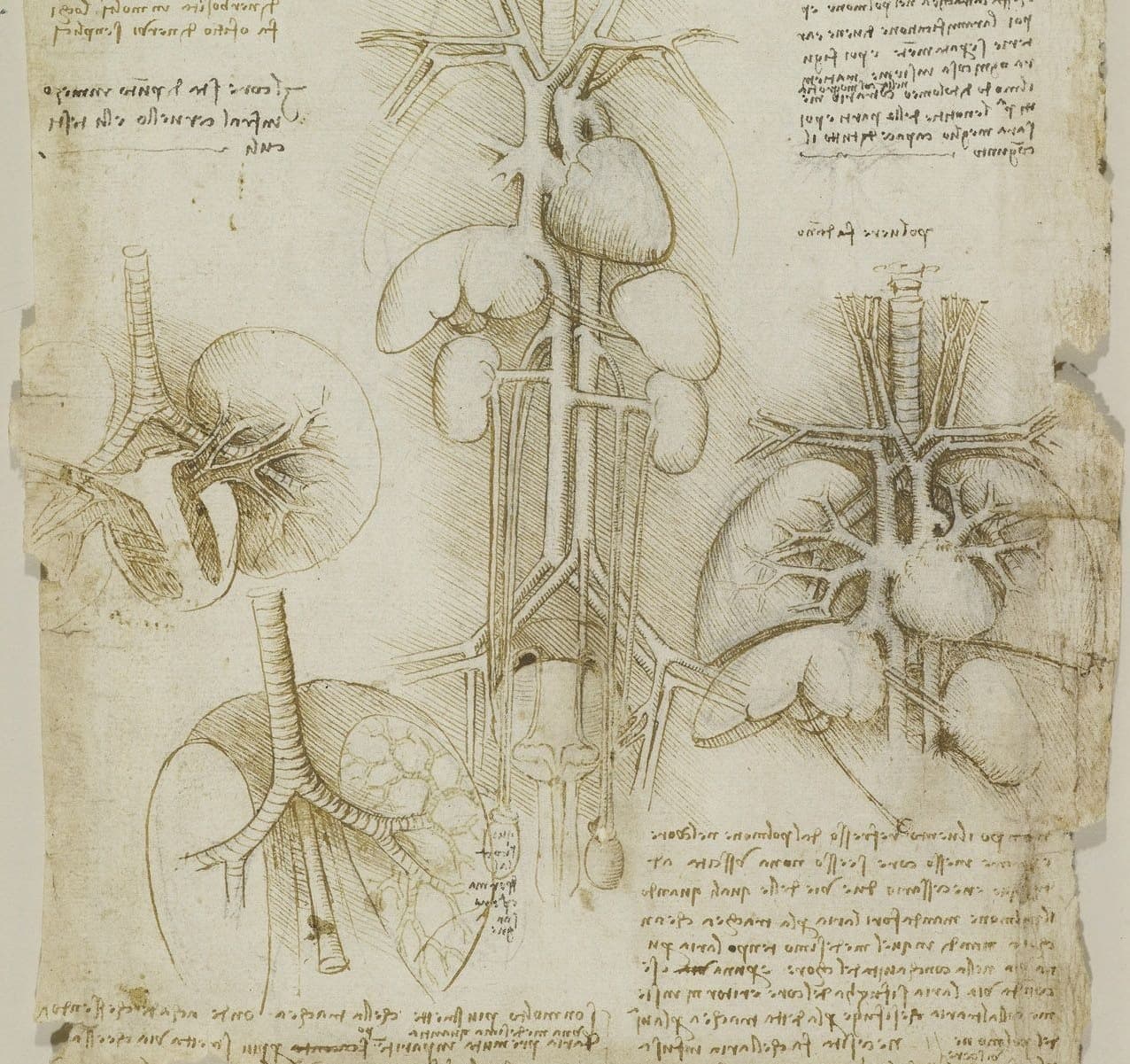
By modern day standards of “output,” da Vinci would probably be considered a failure. Of perhaps 22 commissioned paintings, he finished around 11 of them. He also intended to arrange over 20,000 pages of scientific notes into encyclopedias, but he never did. But then again, it does not seem that da Vinci was concerned with presenting his work neatly to society, as much as he was interested in wrestling with his own curiosity endlessly. His magnum opus(es) were byproducts of a life driven by the desire to know everything.
III. Claude Debussy
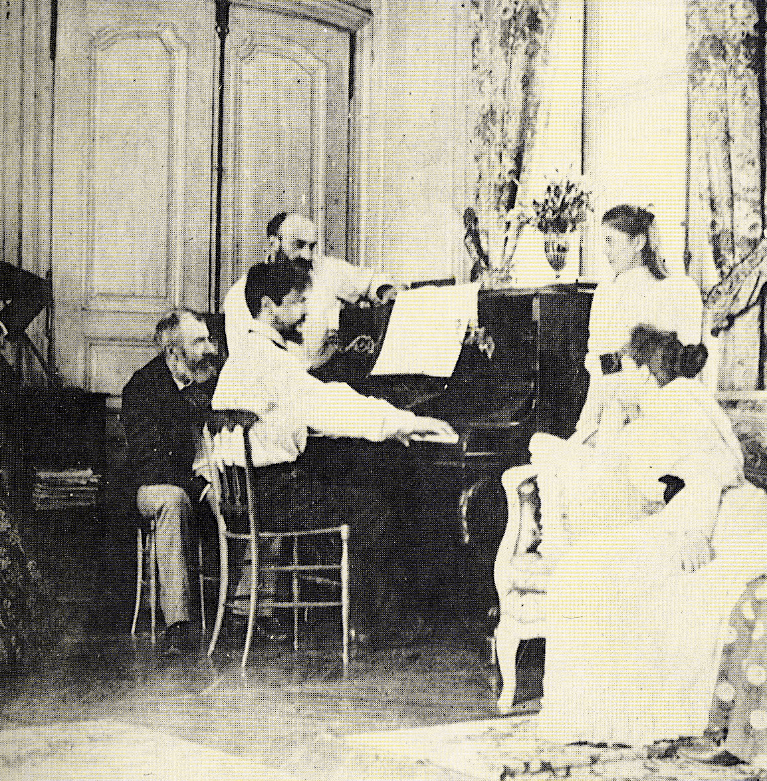
The first time I started appreciating Debussy, I was walking through a Monet exhibit. There are certain pieces of music that feel like they suddenly emerge from silence. Debussy had been playing the whole time of course, but when it really struck me, I was captivated by how free it sounded.
Debussy was a pioneer during the Impressionist era, evident in his love for nature: “The sound of the sea, the curve of a horizon, wind in leaves, the cry of a bird leave manifold impression in us.” Like his departure from rigid classical forms, which he described as “barren traditions that stifle [music],” Debussy was not fond of rigid schedules. He rose slowly, allowing his mind to drift, oftentimes staying in bed to read or think. When he did start his day, his breakfast was simple and ungoverned by ritual.
His working style seemed to manifest in short bursts: 20-60 minutes at a time, once or twice a day. Unlike the strict forms of earlier composers like Mozart or Beethoven, he injected emotion into his work. In a letter to Polish nobleman, André Poniatowski, he described a very romantic view of music: “but music, don't you know, is a dream from which the veils have been lifted. It's not even the expression of a feeling, it's the feeling itself.”
How did he evoke such feeling? In practice, he might play a fragment on the piano, adjust it, repeat, and listen until a satisfying form emerged. He would spend weeks rewriting sections, perfecting the proportions and rhythms. As methodical and repetitive as his process was, he prioritized listening to the aesthetic of the sound over using formulas to achieve it: “There is no theory. You merely have to listen. Pleasure is the law.” The caveat to this is that he had already been rigorously trained on traditional theory at the Paris Conservatoire. You can only innovate something if you know it intimately - improvisation seems a natural extension of what is already there.
Even though his music is dreamy and effervescent, Debussy himself was hypersensitive and somewhat pessimistic about human nature. He was close with a small inner circle but otherwise contemptuous towards the public and social norms. Perhaps this “othering” of society allowed him to be comfortable with solitude so he could develop pieces that were in opposition to the musical norms of the time.
IV. Christopher Nolan
I wanted to include Nolan as a temporal foil to the previous artists and see if modern day practices diverge from the past. His films have a way of inhabiting the minds of his audiences for long periods of time, and in each film he explores themes that are specific to his curiosities (time, memory, morality). His work feels scientific, to the point where even concepts like dream architecting feel like they could exist in the real world. I was surprised to find that even with such level of detail, Nolan relies more on intuition than research:
I don’t actually tend to do a lot of research when I’m writing. I took the approach in writing 'Inception' that I did when I was writing 'Memento' about memory and memory loss, which is I tend to just examine my own process - of in this case dreaming; in Memento’s case, memory - and try and analyse how that works and how that might be changed or manipulated, how a rule-set might emerge from my own process. I realised that if you’re trying to reach an audience, being as subjective as possible and really trying to write from something genuine is the way to go and, so, really, it’s mostly from my own process, my own experience.
Like Didion, he jots notes extensively and at all times of day: midnight epiphanies, musings on road trips, diagrams of timelines.
“I carry a notebook on me and I have dozens and dozens of notebooks over the years that I scribble in. As I get older, particularly as my memory gets worse, I write things down. I don’t assume that I’ll be able to recall those images in years to come. So I do tend to scribble things down more and more as I get older. But yeah, a lot of note-taking, a lot of diagram-drawing, sometimes pictures but mostly words.”
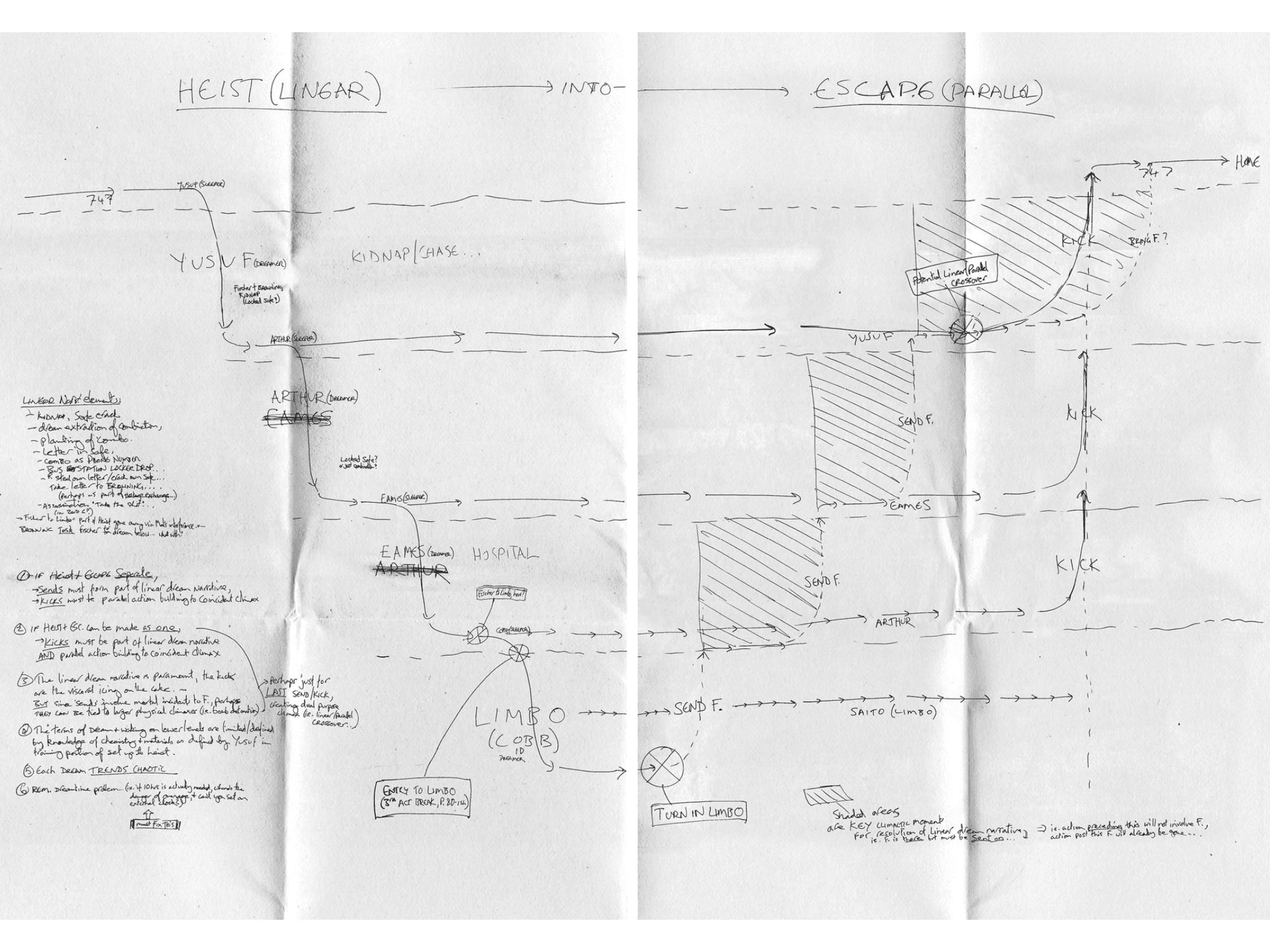
Unlike Didion’s emotional note taking process, his notes seem to prioritize logic; but then he allows emotion to drive his writing process:
“For me, a lot of my note-taking process and a lot of my thinking about what I’m going to do when I write, that is intellectual. I do a lot of diagrams. Big fan of Venn diagrams for different narratives or whatever. When I go to write, then I have to be in an emotional state, and I have to write from an emotional perspective.”
He would iron out his writing in long, sustained sessions rather than short bursts, and then the end of the day, pause mid-thought to leave himself a thread to pick up on the next day. Any piece of writing could evolve over 14-15 drafts.
It is clear that discipline is a defining factor in creating great work. Nolan is no exception. Apart from his individual process, he creates disciplined environments for collaboration. He is highly time conscious, running schedules quickly and efficiently, limiting phone use on set, and even preferring standing instead of sitting to stay immersed in the work. This reflects a modern day constraint of the filmmaking industry, where films are expected to be delivered on time, and delays can mean soaring budgets. It is interesting to contrast this intensity with someone like da Vinci, who once took 25 years to finish a commission meant to take 7 months. Greatness is clearly not solely dependent on method.
Connecting the dots
A single way of creating great work will never emerge as the “right” one. It is too deeply personal. But we see patterns of how to harbor closeness with your work: obsessive recording of thoughts and ideas, constant revision, willingness to reject ideas, and intense focus, sometimes even to the point of isolation.
An intimate creative environment developed over a long period of time returns far more than striving for recognition, for the great magnum opus. Aim for the chopping block, not for the wood.
Cheers to the start of a new year,
Jade